2026-10-10
Mbinga Coffee Factory to Produce Clean Cooking Energy
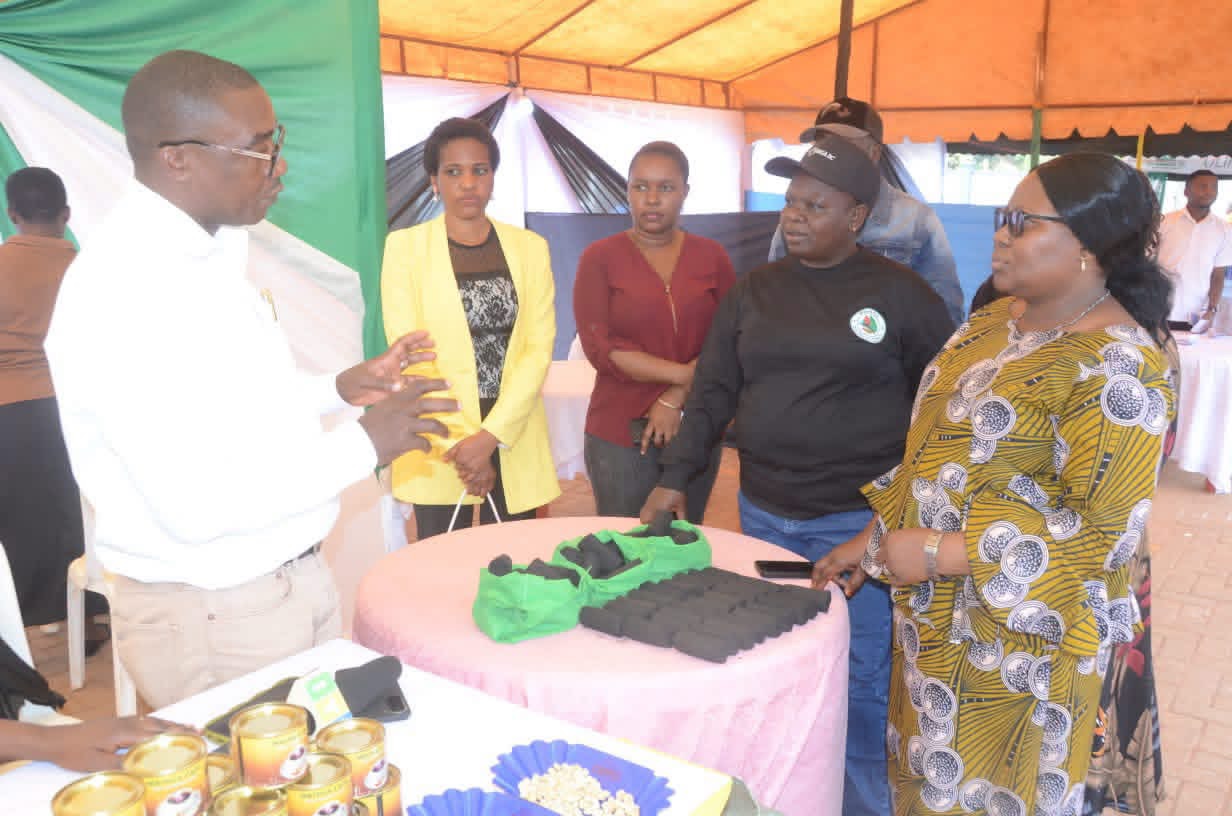
A coffee hulling factory in Mbinga has started producing alternative cooking charcoal from coffee husks, supporting environmental conservation and clean energy initiatives. This production aims to reduce deforestation and encourage the use of clean cooking energy.
Community DevelopmentMbinga
The Mbinga Coffee Curing Company (MCCCO) coffee hulling factory, co-owned by the government and coffee farmers, has started producing alternative cooking charcoal from coffee husks, according to the source. This production supports President Samia Suluhu Hassan's environmental conservation efforts and encourages the community to use clean cooking energy.
Rabia Ulomi, the factory's production manager, stated that as major environmental stakeholders, they have prioritized this agenda as it will save a significant amount of trees. Ulomi noted that for many years, coffee husks were burned as a way of environmental management, but this method was not safe and caused environmental damage; thus, producing charcoal will help conserve the environment, reduce indiscriminate tree cutting for firewood and charcoal, and add value to the coffee crop.
Ulomi further explained that the factory processes over 12,000 tons of raw coffee annually and will be able to produce 700 to 800 tons of cooking charcoal, which will significantly reduce tree felling. David Haule, the factory's marketing officer, mentioned that their charcoal, known as Mkaa Ember, retains heat for a long time, produces no smoke unlike other charcoals, and costs Sh.500 per kilogram.
Haule added that since production began, there has been a significant response from individuals for home use and from business owners, particularly food vendors, who appreciate this energy source for reducing their living costs. The factory is currently researching better and more environmentally friendly technology for alternative charcoal production to ensure greater benefit for Tanzanians and increased factory revenue when production scales up.
Neema Msomi, the head of Nyoni Secondary School, stated that this charcoal will help reduce the cost of buying firewood and charcoal for student meals and prevent health problems for cooks from smoke inhalation. Msomi advised the factory to produce large quantities of charcoal so that institutions with large gatherings of people, especially schools, can benefit from the project, noting that before the government launched clean cooking energy initiatives, they spent over Sh.300,000 to 400,000 on firewood and charcoal, which was a high cost.
This initiative in Ruvuma Region promotes environmental conservation and offers a more affordable, cleaner cooking fuel, which could benefit community health and reduce operational costs for institutions like schools, directly impacting community development and education sectors within TCDI's scope. This is TCDI context, not a statement by the source, and does not mean TCDI took part in what is reported.
Automatically prepared from the cited official source; not individually reviewed by a TCDI editor.