2026-09-21
LIPARAMBA: “Southern Lungs” that preserve water, carbon, and rare creatures
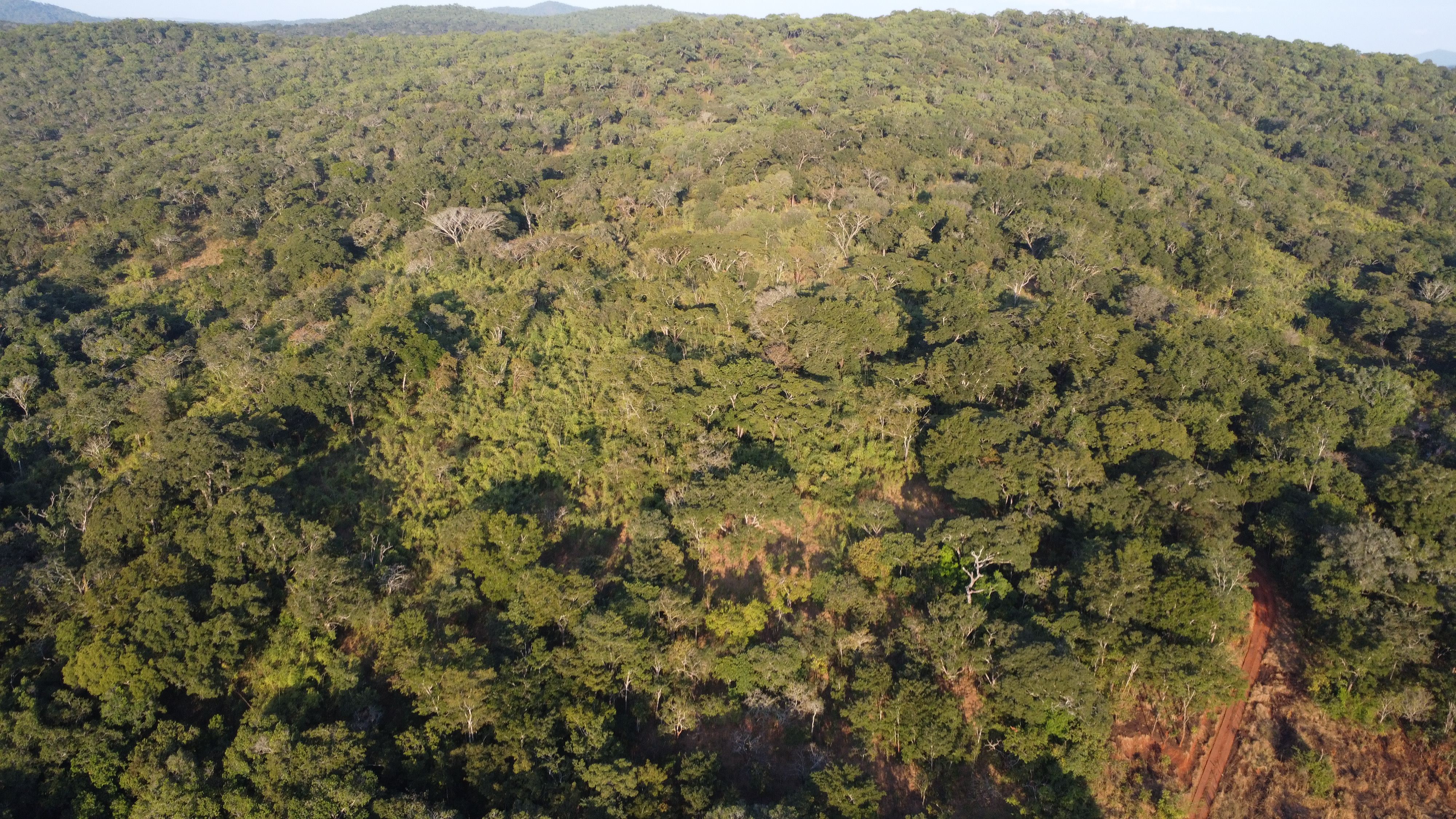
The Liparamba Forest Reserve, covering 571 square kilometers in Nyasa District, Ruvuma Region, is described as a crucial shield for forests, water, and biodiversity in southern Tanzania. Its dense miombo forests act as carbon sinks, and it is home to diverse plant and animal species.
Community DevelopmentLiparamba Forest Reserve, Nyasa District
The Ruvuma Regional Secretariat news source reports that the Liparamba Forest Reserve, located in Nyasa District, Ruvuma Region, spans 571 square kilometers. This area has been a vital protector of forests, water, and biodiversity since its handover to the Ministry of Natural Resources and Tourism in 2006.
According to the source, the dense miombo forests of Liparamba function as carbon sinks, helping to absorb carbon dioxide. The Lunyere and Lumeme rivers in the area flow towards the Ruvuma River and eventually the Indian Ocean.
Liparamba hosts 60 types of miombo trees, 35 types of grasses, and over 80 bird species. The wildlife mentioned in the area includes lions, leopards, elephants, buffaloes, zebras, wild dogs, hippos, crocodiles, warthogs, and monkeys.
Senior Natural Resources Officer, Afrikanus Challe, describes Liparamba as an “open natural laboratory” and an important area for plant and animal research. Research conducted between 1980 and 1982 identified the threat of forest loss due to shifting cultivation, which spurred efforts to protect the area.
The source concludes by stating that Liparamba Forest is a network of water, carbon, and living organisms that protects life in southern Tanzania.
This article is relevant to TCDI's focus on community development in the Ruvuma region as it highlights the importance of natural resource conservation and biodiversity, which can impact local livelihoods and environmental health in the wider region. While it does not mention Tunduru directly, it discusses an important natural asset within the Ruvuma region, demonstrating regional focus on environmental sustainability. This is TCDI context, not a statement by the source, and does not mean TCDI took part in what is reported.
Automatically prepared from the cited official source; not individually reviewed by a TCDI editor.