2026-10-01
GESIMASOA: TREASURE OF RARE FISH GLOBALLY AND A REST STOP FOR MIGRATORY BIRDS TO BOOST TOURISM IN RUVUMA
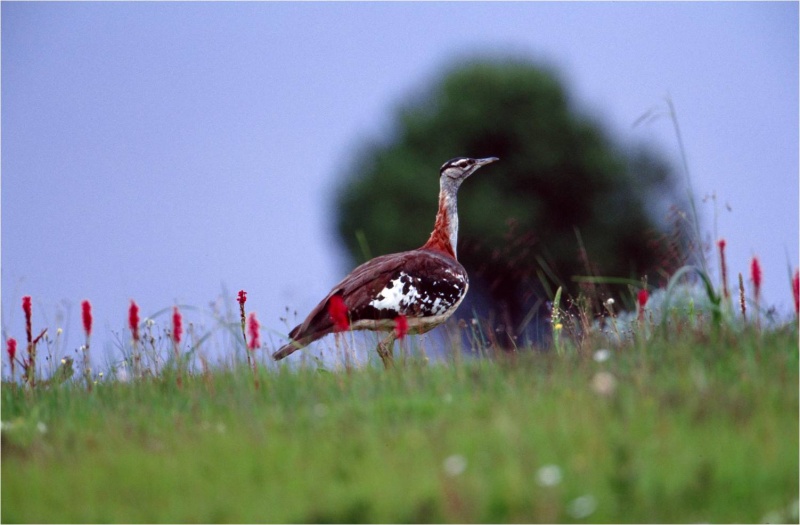
Rare fish found only in Lake Nyasa, migratory birds, and cross-border wildlife are part of the ecological treasure that makes Gesimasoa Reserve in Ruvuma a significant area for conservation and tourism. The Senior Warden and Natural Resources Officer in Ruvuma, Afrikanus Challe, states that the reserve serves as a resting place for birds migrating from northern Africa to the southern part of the continent and other continents. According to Challe, Gesimasoa is also a passage for wildlife migrating between the Selous ecosystem, Lake Nyasa Basin, and Niassa Reserve in Mozambique, with animals like elephants, lions, buffaloes, and elands being observed. Another treasure includes 'mbelele' and 'mbasa' fish, associated with the Ruhuhu River ecosystem, formed by the confluence of the Hanga and Lutukira rivers before emptying into Lake Nyasa. Protecting Gesimasoa means conserving habitats, biodiversity heritage, and ecotourism opportunities for future generations.
Tunduru and RuvumaGesimasoa, Ruvuma
The Ruvuma Regional Secretariat reported on Gesimasoa, highlighting its ecological treasures. Rare fish, migratory birds, and cross-border wildlife contribute to its significance for conservation and tourism, as stated in the source.
Afrikanus Challe, Senior Warden and Natural Resources Officer in Ruvuma, notes that Gesimasoa Reserve is a resting place for birds migrating across Africa and other continents.
Challe further explains that Gesimasoa is a migration corridor for wildlife, including elephants, lions, buffaloes, and elands, moving between the Selous ecosystem, Lake Nyasa Basin, and Niassa Reserve in Mozambique.
According to the source, the area also boasts unique fish species, mbelele and mbasa, linked to the Ruhuhu River ecosystem, which merges the Hanga and Lutukira rivers before flowing into Lake Nyasa.
The article concludes by emphasizing that safeguarding Gesimasoa ensures the preservation of habitats, biodiversity heritage, and ecotourism prospects for future generations.
This article highlights a significant natural resource and potential tourism asset within the Ruvuma region, which could bring economic development and community benefits. Understanding regional conservation efforts and tourism potential is important for local planning and community engagement. This is TCDI context, not a statement by the source, and does not mean TCDI took part in what is reported.
Automatically prepared from the cited official source; not individually reviewed by a TCDI editor.