2026-09-13
Fossilized Trees: Ruvuma's New Tourism Diamond in the South
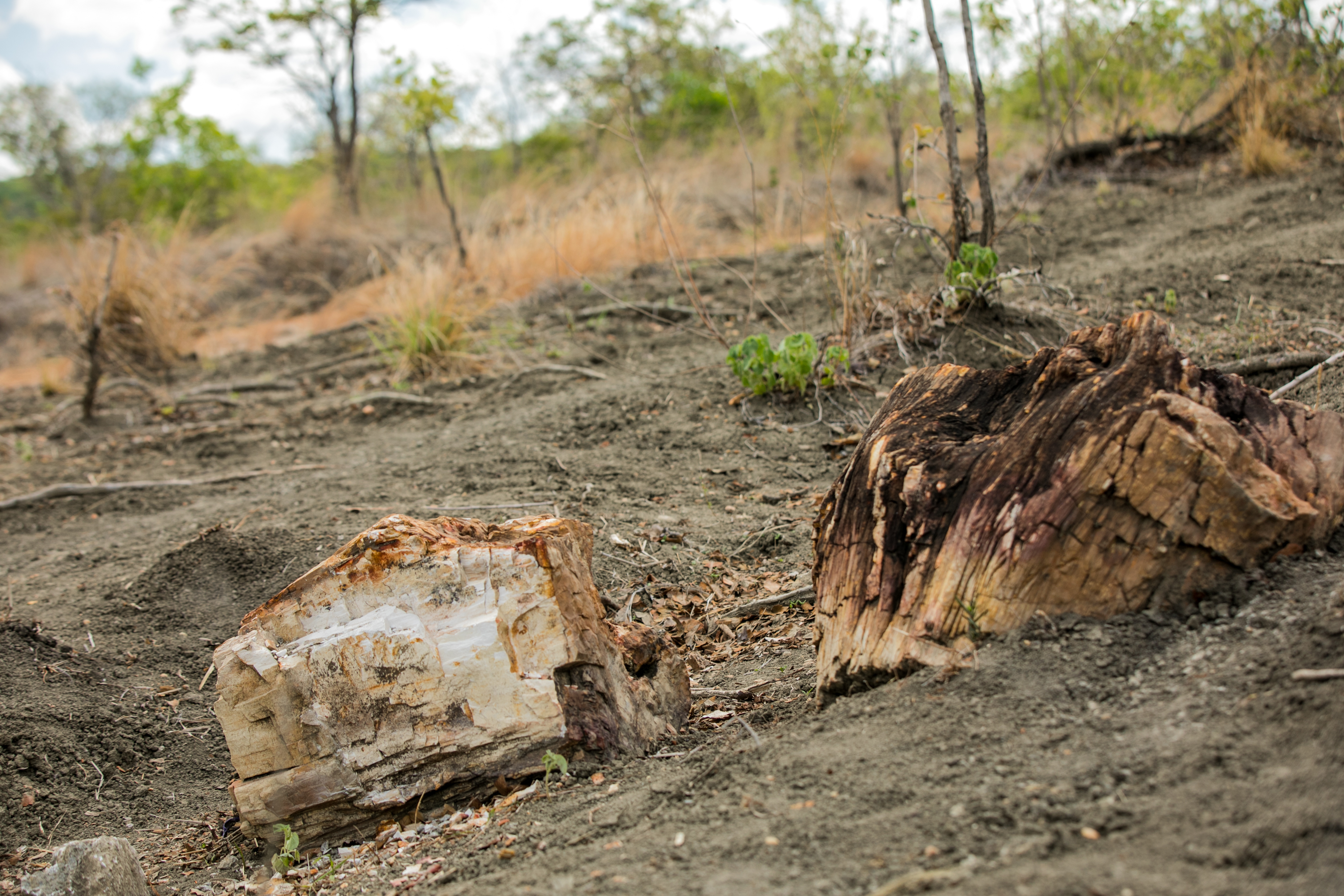
Ruvuma Region holds a secret from millions of years ago: trees that turned into stone. These rare attractions, found within the Selous–Niassa corridor and Liparamba Game Reserve, are believed by experts to be among Africa's few treasures that could generate significant foreign income for Tanzania if developed and promoted internationally.
Tunduru and RuvumaRuvuma Region, Mpurakacheche village, Mbarang’andu village, Namtumbo district, Mbati area, Tunduru district, Selous–Niassa corridor, Liparamba Game Reserve
The Ruvuma Region possesses ancient secrets, including fossilized trees, within the vast Selous–Niassa corridor and Liparamba Game Reserve, according to an official public source. These unique geological formations are considered by experts to be rare treasures in Africa, with the potential to attract researchers, history enthusiasts, and tourists, generating significant foreign revenue for Tanzania if properly developed and promoted. Recent in-depth research by international experts, in collaboration with the Ministry of Natural Resources and Tourism, revealed over 2,100 plant species, including 600 rare tree types unique to the area, in addition to known wildlife. It was during this research that the secret of the rock formations resembling tree logs, technically known as fossilized tree trunks, was uncovered, as stated by the source. Residents in villages such as Mpurakacheche and Mbarang’andu in Namtumbo district, and the Mbati area in Tunduru district, have been living near these petrified wood remains without fully realizing their historical significance. Ngwatura Ndunguru, a retired Conservation Director and founder of Liparamba Game Reserve, who has spent over 25 years researching these reserves, stated that these trees are among the wonders Tanzania has not adequately promoted, emphasizing that science confirms these are remnants of trees, not ordinary rocks.
This information highlights unique geological and ecological assets within the Ruvuma Region, including Tunduru District, which could lead to community development through tourism and economic opportunities. Understanding the region's natural heritage can contribute to local pride and potential future educational or vocational training initiatives related to conservation or tourism. This is TCDI context, not a statement by the source, and does not mean TCDI took part in what is reported.
Automatically prepared from the cited official source; not individually reviewed by a TCDI editor.